


TL;DR: AI agent testing is the missing layer in most AI deployments, and it’s the reason first launches end up embarrassing companies in front of their customers and teams. Chronicle Labs (Y Combinator P26), publicly launching today, lets organizations replay real production scenarios against their agents in staging before going live, cutting critical failures by 80% according to early customer data.
In partnership with Chronicle Labs.
Here’s the thing about AI deployments most leaders don’t see coming. The model isn’t usually what fails you; the deployment is… especially that one piece you forgot to stress test.
I’ve been saying this for months. A leader brings me an AI rollout plan, the model is fine, the use case is fine, the team is excited, and then I ask one question: how are you testing this before it goes live? And the room goes quiet.
A few weeks back, Chronicle Labs founders, Ayman Saleh and Rowan Zyadeh, reached out and asked if we could have a call. Once both founders walked me through what they were building, I realized it was the answer to a gap that keeps coming up in nearly every AI rollout conversation this year, and one nobody had solved well.
Today, Chronicle Labs is publicly launching as part of Y Combinator’s P26 batch.

The Real Cost of Skipping the Test
Most leaders think the cost of a bad AI deployment is money, but it isn’t, because money is actually recoverable. The credibility you lose with your team and your customers when an AI tool ships broken is the part most organizations underestimate, and credibility is much harder to win back than a budget.
We’ve watched it happen at scale. Google’s Gemini image rollout backlash became a months-long PR cycle because nobody stress-tested it against the kinds of edge cases real users would throw at it. And 92% of AI investments fail for reasons that look a lot like that one, where nobody actually verified the agent could handle the messy, real-world scenarios it was about to face the moment it went live.
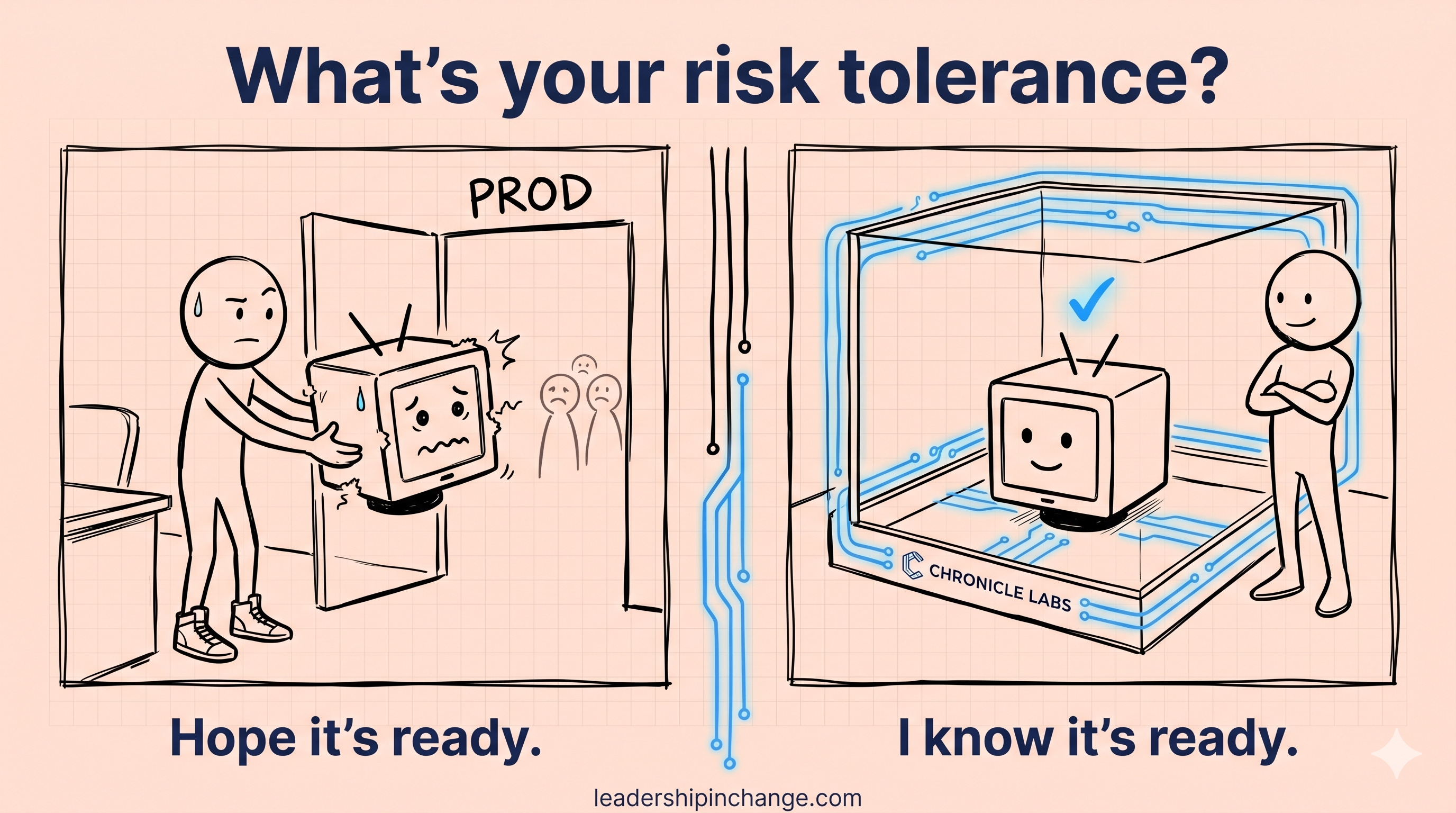
Here’s the analogy I keep coming back to. You wouldn’t promote a brand new hire to represent your company without interviewing them thoroughly first, watching them handle hard scenarios, and knowing how they react when something goes sideways. You’d want to be confident that the version your customers meet on day one is actually ready for the role.
We’re not extending that same caution to AI agents. We’re putting them in front of customers, vendors, and teams, and hoping the model behaves. That’s not a strategy. That’s a coin flip.
What Chronicle Labs Does
In their own words from their Y Combinator launch:
“Chronicle Labs is a staging environment for enterprise AI agents. We capture every event the agent sees in production and backtest it, so customers can safely test new behaviors without breaking anything.”
What that looks like in practice:
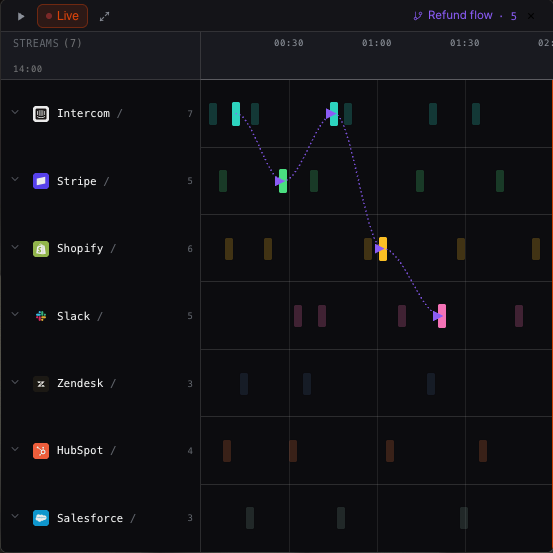
Chronicle connects to your production stack, including custom tools and integrations, with support for 100+ integrations.
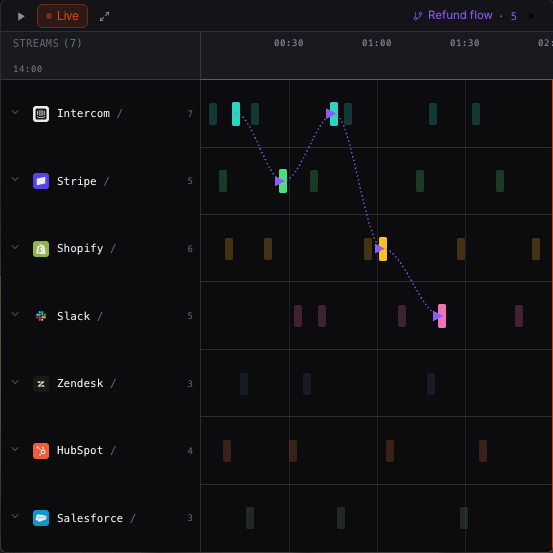
Reconstruct workflows from existing data streams to map how work is digitally structured and how it actually operates.
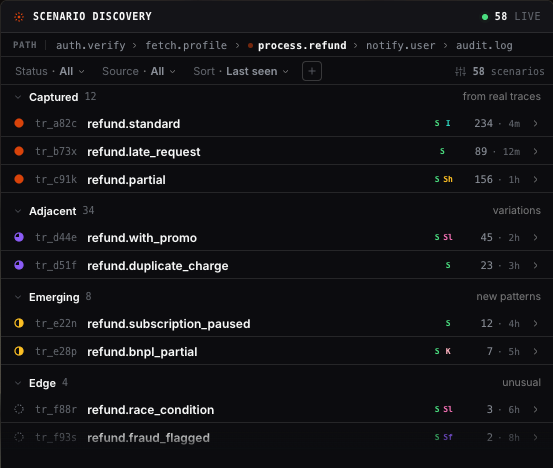
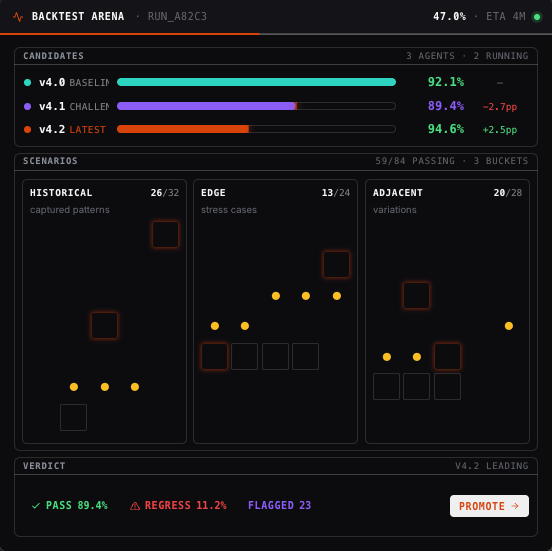
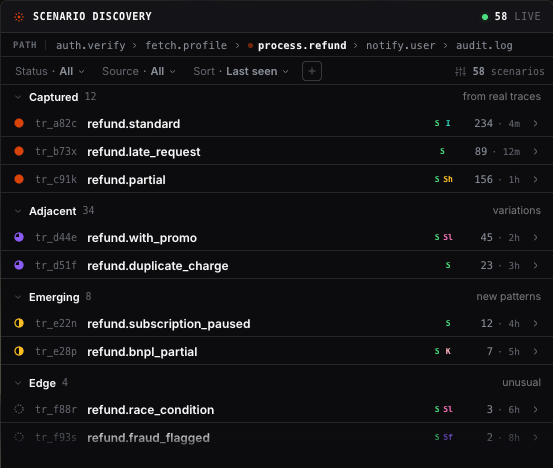
Test your agent through historical, edge, and adjacent scenarios to understand where it succeeds, fails, or needs more improvement.
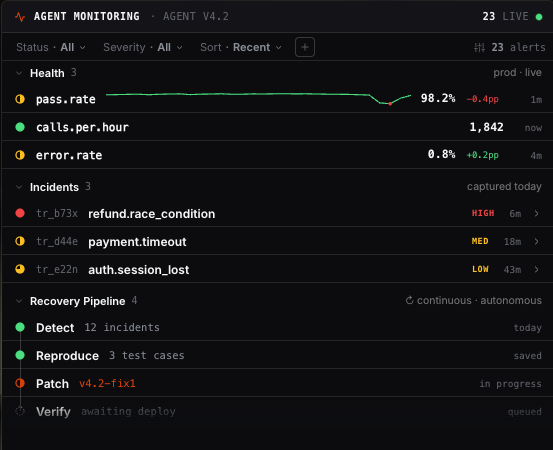
Once your agent is deployed, monitor it in real time, capture scenarios where it fails, and alert your team immediately.
The numbers Chronicle Labs publishes from their early customer deployments (vendor-reported, on their site as of May 2026) are the part that made me lean in:
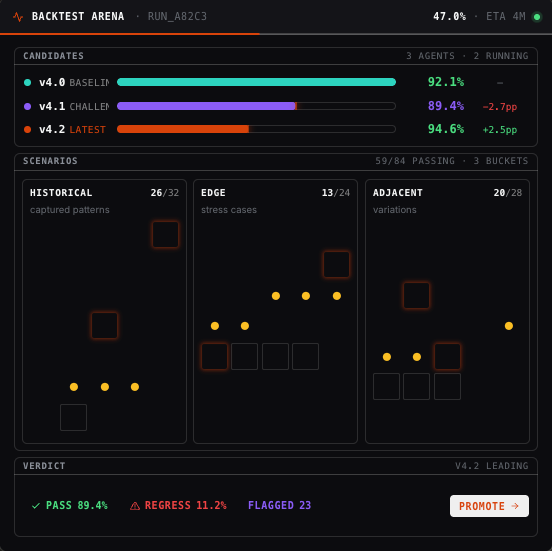
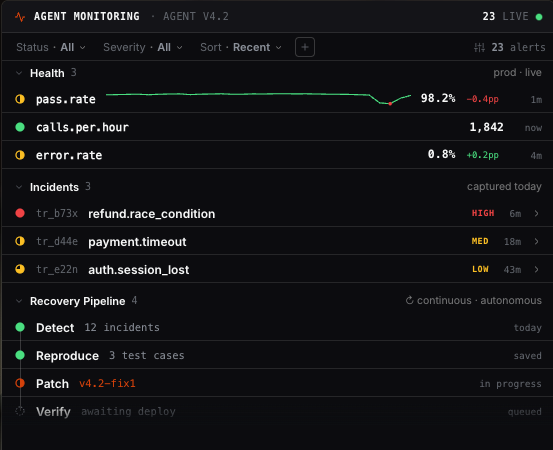
30x more production-derived scenario coverage than typical pre-launch testing
12x more failure modes caught before launch
99% reduction in time spent mapping workflows manually
80% reduction in critical failures in production
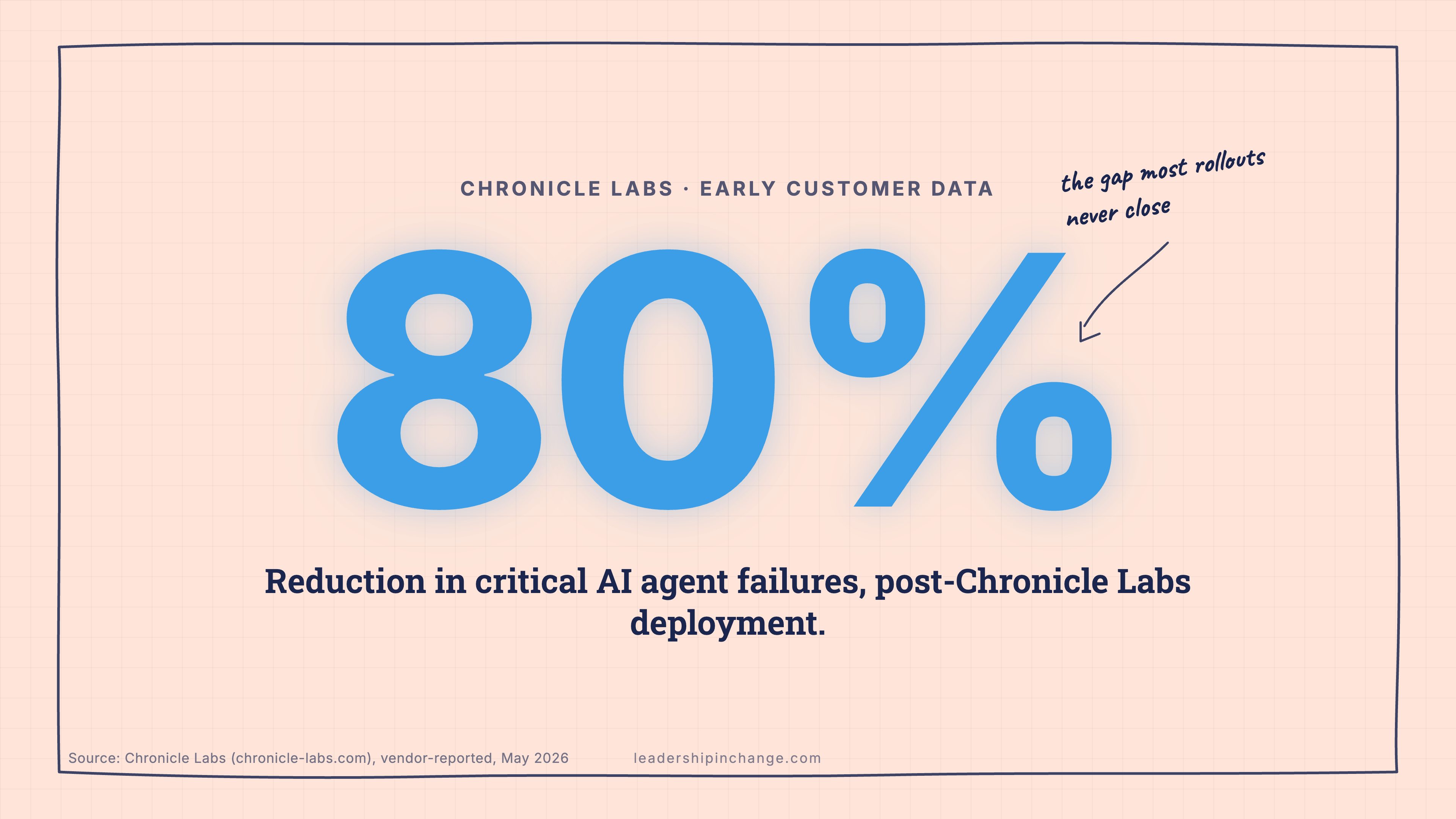
Take those as Chronicle’s own claims, not as an independent benchmark. The discovery call is where you pressure-test them against your specific use case.
That’s the move. Stop reacting after a customer churns. Start catching failures before deploy.
Why I’m Recommending Chronicle Labs
I rarely partner on a launch, and “Y Combinator backed it” alone wouldn’t get me there. Three things did.
The need is real. I’ve been telling coaching clients to figure out their testing layer for months and watching them not have a good answer.
The team has the right scars. Ayman Saleh, the CEO, spent his career at the edge of mission-critical engineering, working at NASA’s Jet Propulsion Laboratory on programs including the James Webb Space Telescope and the Mars 2020 Perseverance rover, then leading engineering at FlightWave, before leaving his Stanford grad program to build Chronicle Labs. Rowan Zyadeh, Co-founder and COO, is building it alongside him. People who shipped systems where a missed test means a billion-dollar asset becomes space junk think about deployment risk differently than the rest of us.
The timing matters. Most non-technical organizations are about to deploy their first or second meaningful AI tool, and the first impression that tool makes will set the political climate for AI inside that organization for the next two years. Get the first impression wrong once and the next three rollouts get blocked.
Now What?
If you’re an executive, team leader, or CEO planning an AI deployment, this is worth 15 minutes of your time.
Chronicle Labs has agreed to offer free discovery calls to Leadership in Change readers as part of their launch this week.
If you’re not deploying AI yet but expect to in the next year, take the call anyway. Most of the leaders I’ve coached this year have wished, in hindsight, that they’d talked to a testing-first vendor before they shipped, not after.
If You Only Remember This
The model isn’t usually what fails you, the deployment is. Most AI rollouts ship without ever being tested against the messy edge cases real users bring.
Credibility is the real cost of a bad first impression. Lost money is recoverable, but lost trust with your team and your customers is much harder to win back.
Test like you’d interview a new hire before putting them in front of customers. AI agents deserve that same level of scrutiny, and now there’s infrastructure built for it.
Questions Leaders Are Asking
What does Chronicle Labs actually do? Chronicle Labs is an AI agent testing platform. It connects to your production stack, captures your real workflows and edge cases, generates thousands of scenarios from that data, and replays them against your agents in a staging environment. The goal is simple: catch the failures before your customers do, not after.
Why does AI agent testing matter for non-technical organizations? Most non-technical teams don’t have the engineering muscle to build a 360-degree testing pipeline themselves, so AI deployments end up shipped on hope and a demo. Chronicle Labs handles that layer for you, which means the leadership team can focus on the rollout instead of the QA infrastructure. For organizations without an internal AI team, this is one of the few “buy don’t build” decisions that actually makes sense.
Is Chronicle Labs only for enterprise customers? No, Chronicle Labs is built for any team deploying AI agents that touch customers, vendors, or internal workflows, and their early customer base spans startups through larger organizations. Book a discovery call to see if your specific use case is a fit.
Who built Chronicle Labs? Ayman Saleh is the Founder and CEO. He worked at NASA’s Jet Propulsion Laboratory on programs including the James Webb Space Telescope and the Mars 2020 Perseverance rover, later led engineering at FlightWave, and left his Stanford grad program to build Chronicle Labs. Rowan Zyadeh, the Co-founder and COO, is building the company alongside him.
What is Y Combinator P26? Y Combinator is the most well-known startup accelerator in the world, and P26 is the current batch publicly launching this week. Y Combinator selecting Chronicle Labs is a signal that experienced operators see the AI agent testing gap as a category-defining problem worth solving.
What’s the catch with the free discovery call? There isn’t one. Chronicle Labs is offering free 15-minute calls to Leadership in Change readers as part of their public launch. It’s a no-pressure conversation about your AI deployment plans, and you walk away with a clearer picture of what testing looks like for your specific use case, whether or not you become a customer.
Joel Salinas is a Fractional Chief AI Officer for small and mid-sized businesses and nonprofits — strategy, hands-on builds, and change management. He writes Leadership in Change and also offers 1:1 coaching for individual leaders.
Written by a human, for humans.
Awesome
The credibility you lose with your team when an AI tool ships broken is the cost nobody puts in the budget.